
Background
The Environment, Biodiversity and Climate Change Forum (EBCCF) was established in 2010 and re-registered in 2019 by the National Charities and Societies Agency. The organization now has 16 years of expertise and a wide range of experiences, and its mission is to focus on the environment, biodiversity, and climate change. Currently, the Forum is actively implementing multiple projects in these fields across Ethiopia, including Oromia, Amhara, and Tigray. One of the exemplary projects in EBCCF’s portfolio of initiatives is the restoration of Chuqala Mountain and the enhancement of women’s livelihood diversification in Liban Chuqala Woreda, Oromia Region.
Chuqala Mountain plays a pivotal role in balancing agroecology, supporting the life-support system, and contributing to the conservation of soil and available freshwater by providing diverse ecosystem services for local communities. Owing to poverty and climate change, however, the mountain faces severe threats from both direct and indirect pressures. This project is, therefore, designed to address these challenges and prioritize measures to reverse the current threats facing the Chuqala Mountain.
This important intervention is being supported by the Spanish Agency for International Development Cooperation (AECID) through the PROYECTO SOLIDARIO as the Grant Awardee in cooperation with the Environment, Biodiversity and Climate Change Forum.
a) Chukala Mountain Ecosystem Restoration
The project successfully restored 303.48 hectares of Chukala Mountain through large-scale ecosystem rehabilitation interventions. A total of 23,200 indigenous tree seedlings were planted, achieving an over 80% survival rate, which demonstrates strong community ownership and effective post-planting management.
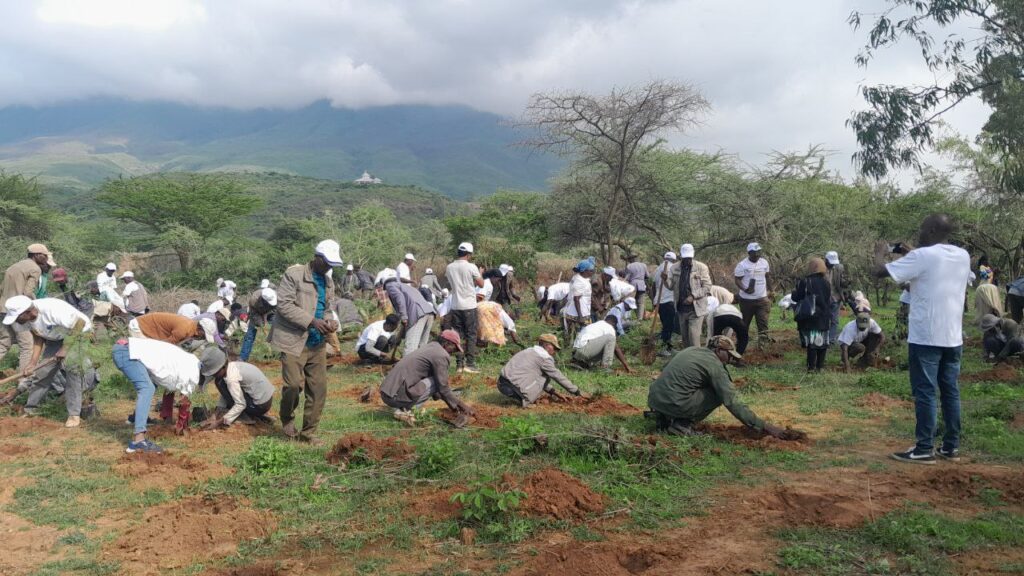
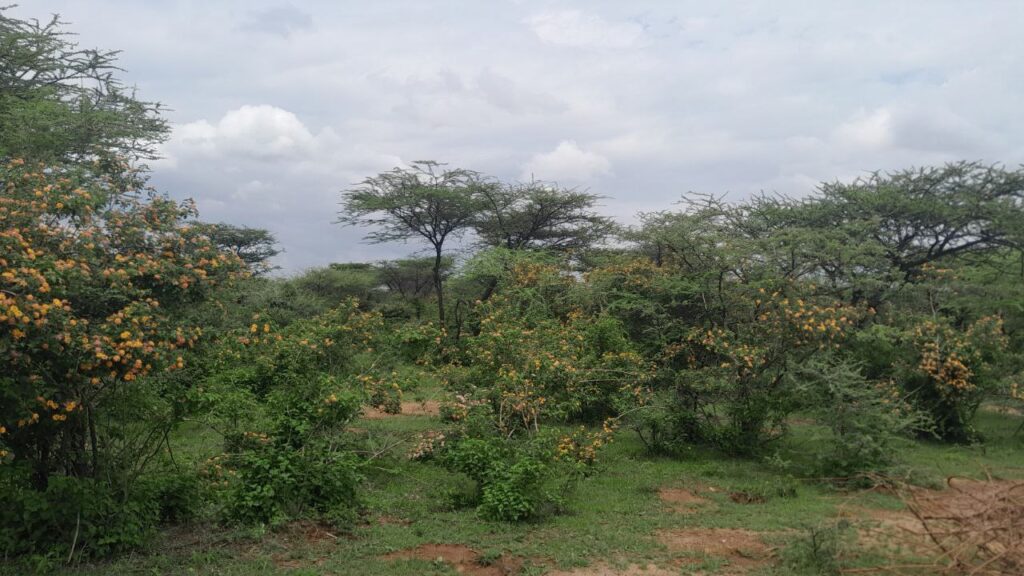
Restoration activities were complemented by environmental awareness creation campaigns conducted in four kebeles of Liban Chukala District, enhancing local knowledge on biodiversity conservation, land restoration, and sustainable natural resource management. These efforts have contributed to reduced land degradation, improved vegetation cover, and long-term watershed protection.
b) Livelihood Improvement through Beekeeping and Small Ruminants
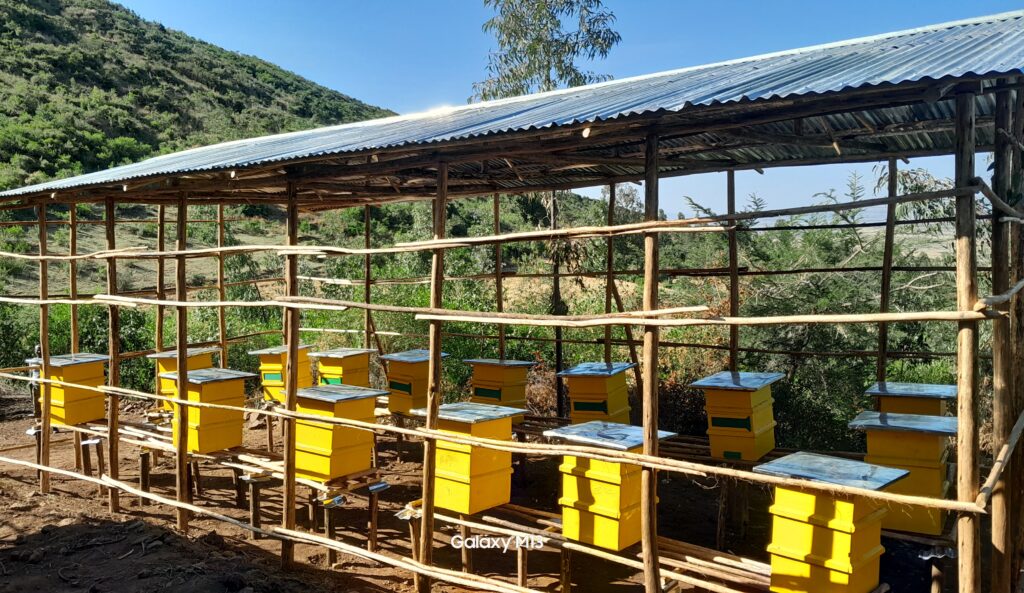
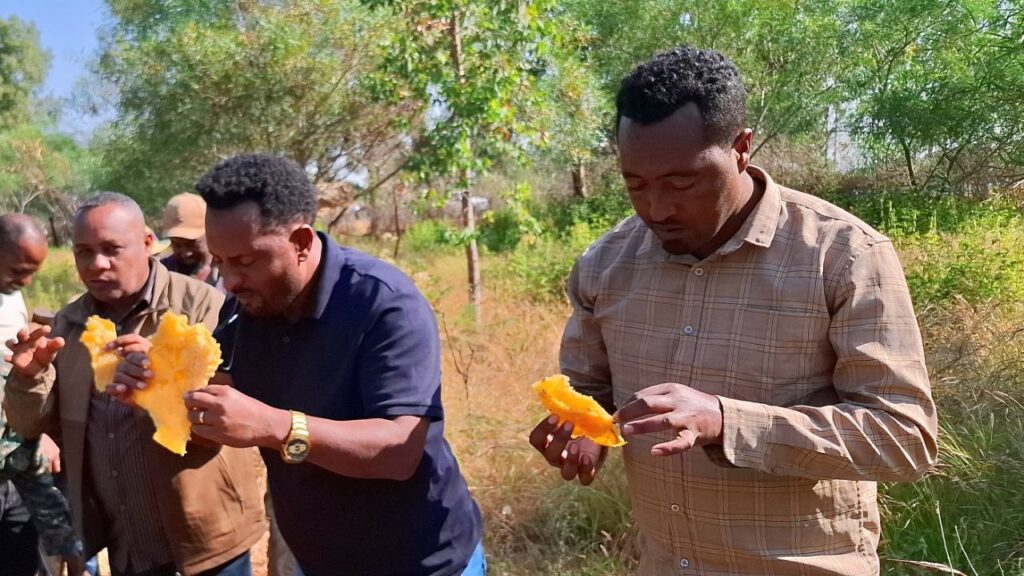
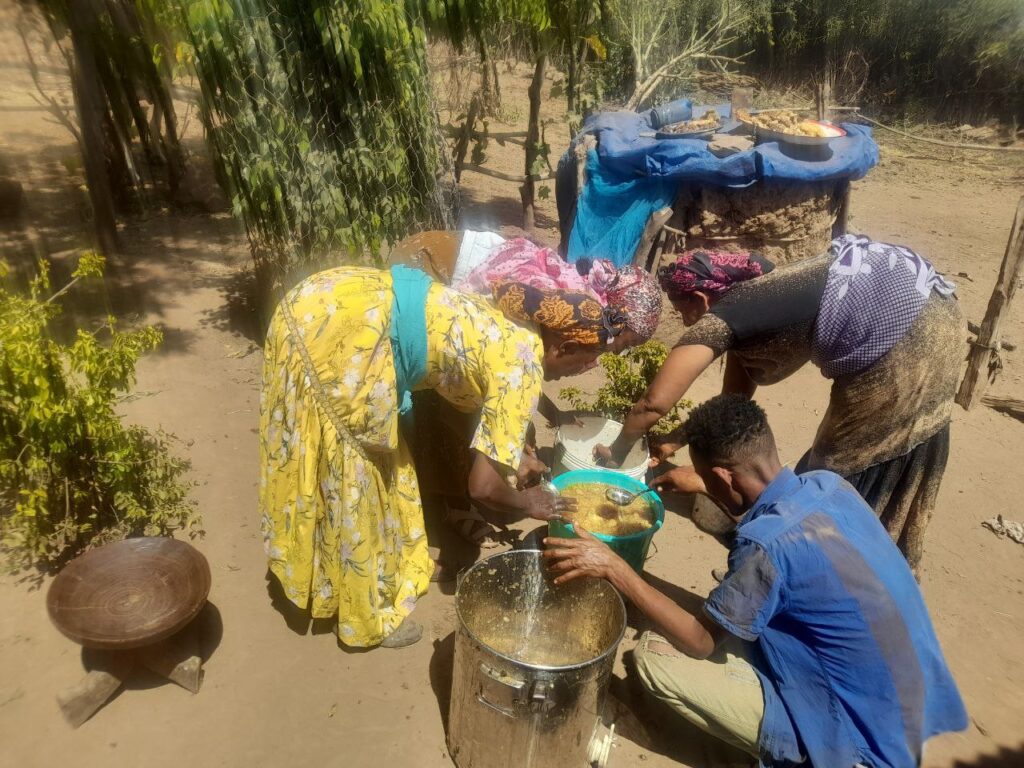
To diversify and strengthen household livelihoods, the project established four modern beekeeping sites, each equipped with 25 improved beehives across four kebeles. In 2025 alone, beneficiaries produced over 400 kg of honey, which was sold at ETB 1,000–1,200 per kilogram, generating substantial income and enhancing household food security.
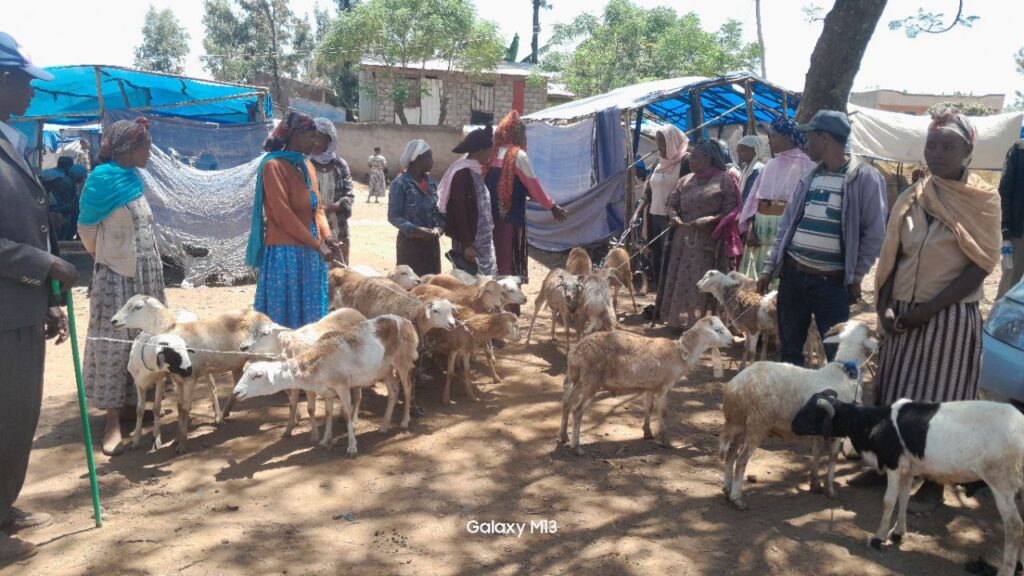
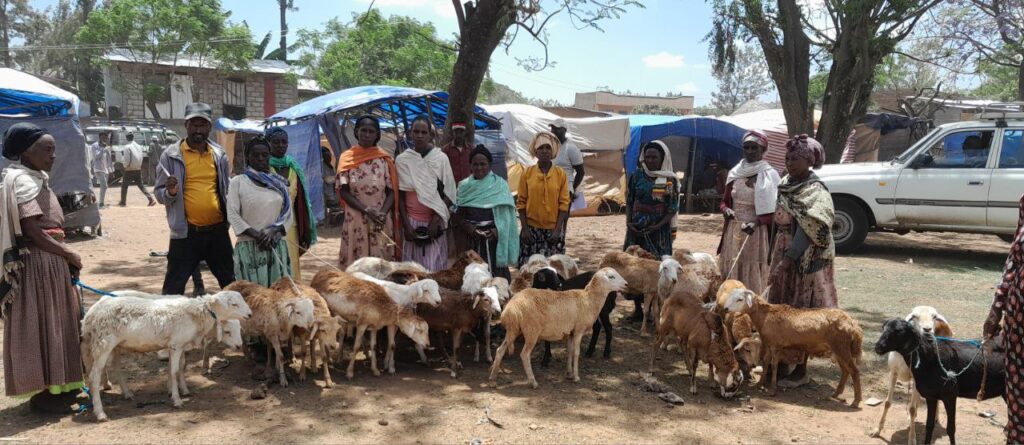
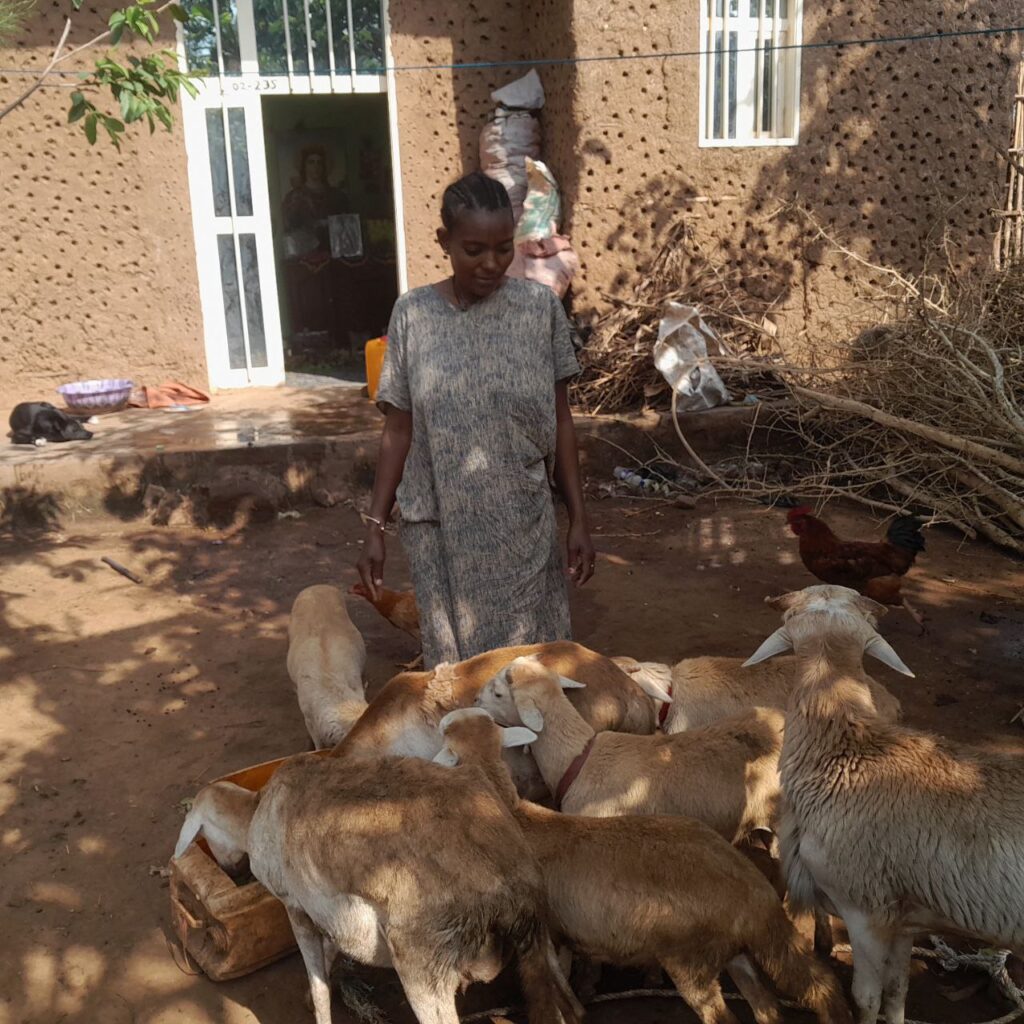
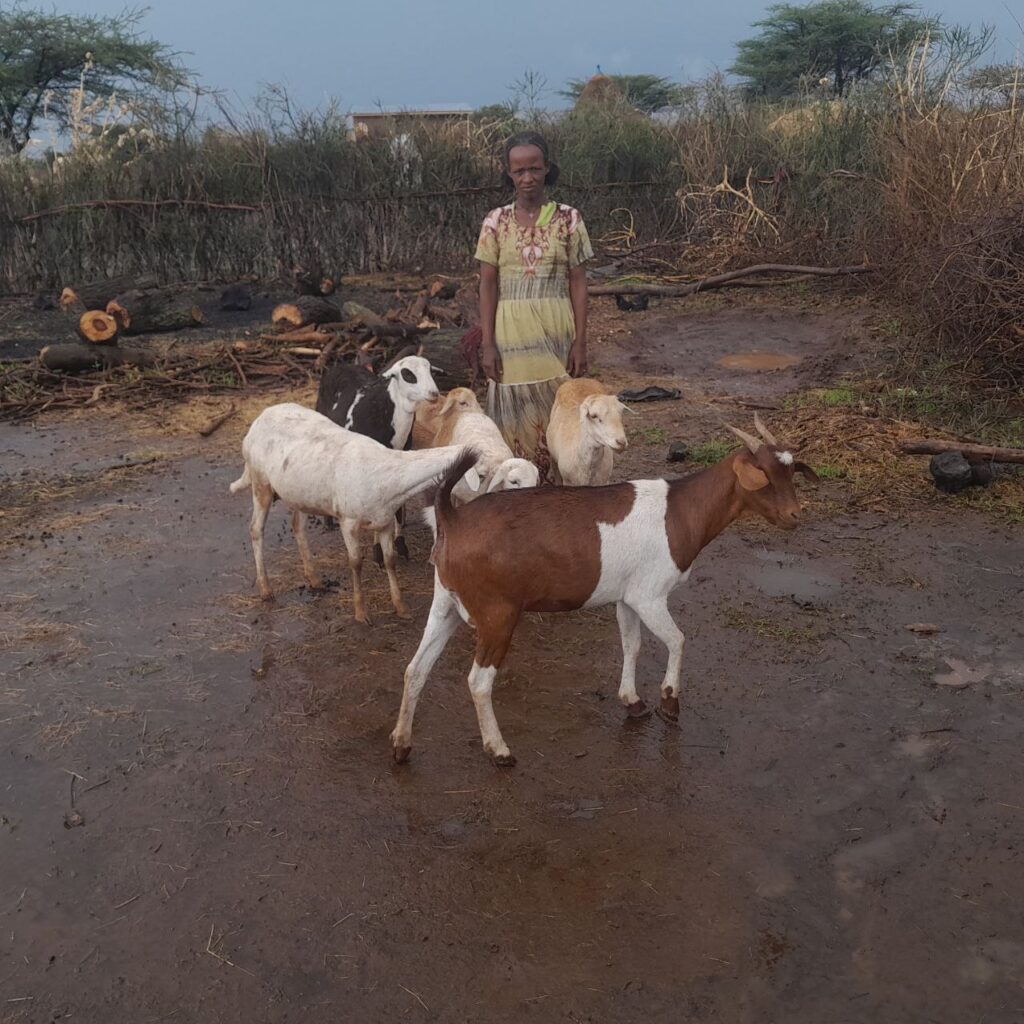
In addition, 244 goats and sheep were purchased and distributed to 122 farmers in three kebeles. Beneficiaries effectively managed the livestock, resulting in more than a threefold increase in flock size within a short period. Participating households now earn ETB 3,000–10,600 annually from livestock-related income, significantly improving their economic resilience and coping capacity against climate and market shocks.
- Women’s Economic Empowerment through Vegetable Production
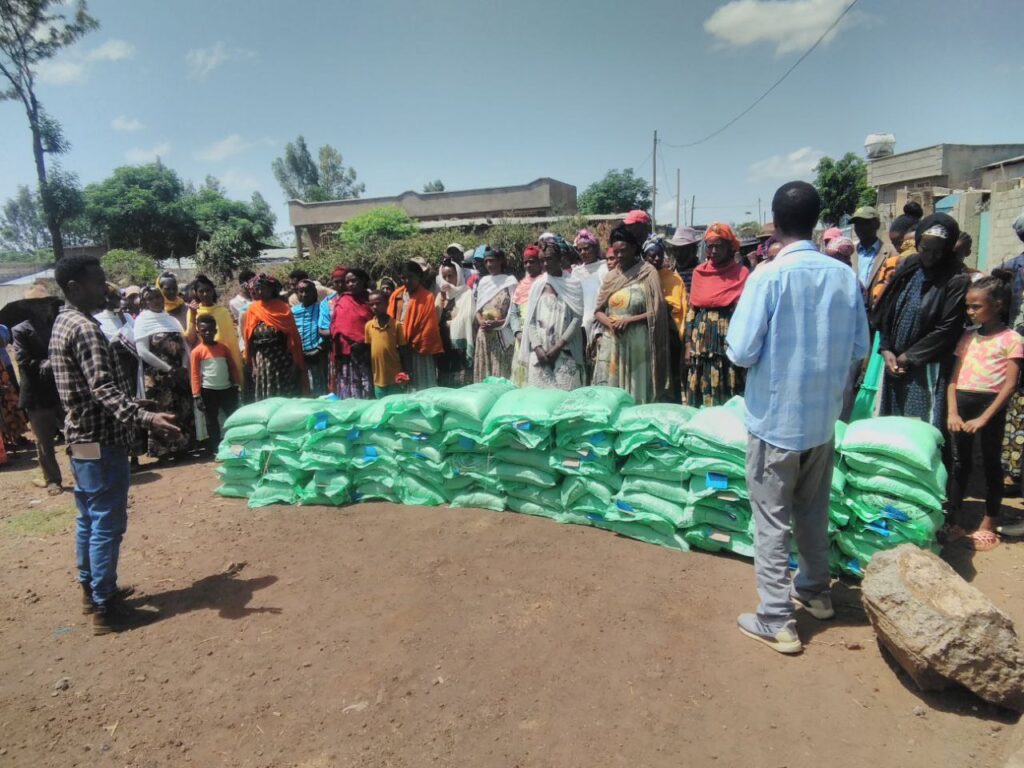
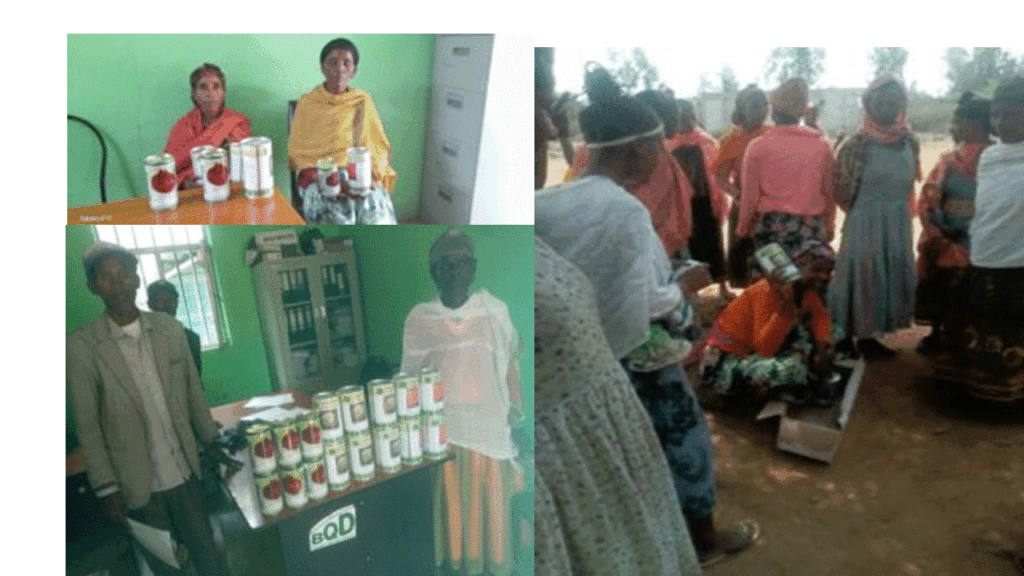
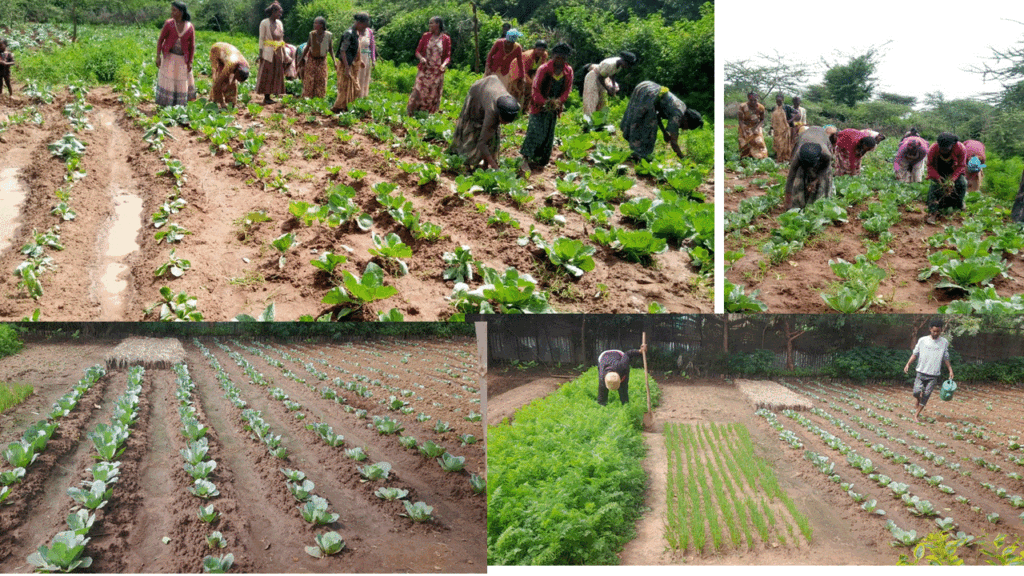
To promote women’s economic empowerment and market engagement, the project procured and distributed 45 kg of vegetable seeds, including 20 kg of onion, 10 kg of carrot, and 15 kg of cabbage seeds. These inputs were distributed to 10 cooperatives comprising 688 members, with women as primary beneficiaries.
Vegetable production enabled beneficiaries to generate net profits ranging from ETB 2,800 to 10,000 per production cycle, improving household nutrition, increasing women’s income, and strengthening their participation in local markets and cooperative leadership.
- Poultry Husbandry for Income and Nutrition
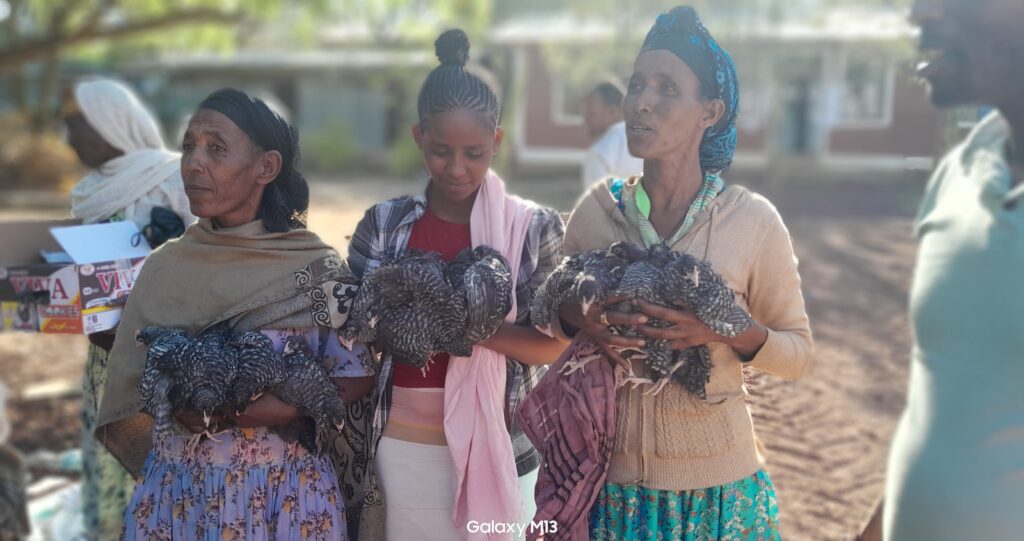
The project strengthened household-level poultry production by purchasing and distributing 300 hens to 50 farmers across four kebeles (Dolo Jila Adele Miecha, Womber Chukala, and Oda Jida). Each household received six hens, distributed in the presence of Woreda officials and technical experts to ensure transparency and accountability.
To support early productivity, 25 quintals of concentrated poultry feed were provided, covering at least two months of feeding until the hens began laying eggs. Within four months, most beneficiaries were producing an average of 100 eggs per month, generating approximately ETB 1,700 per household per month, while also improving household nutrition.
- Improved Maize Seed Distribution and Crop Productivity
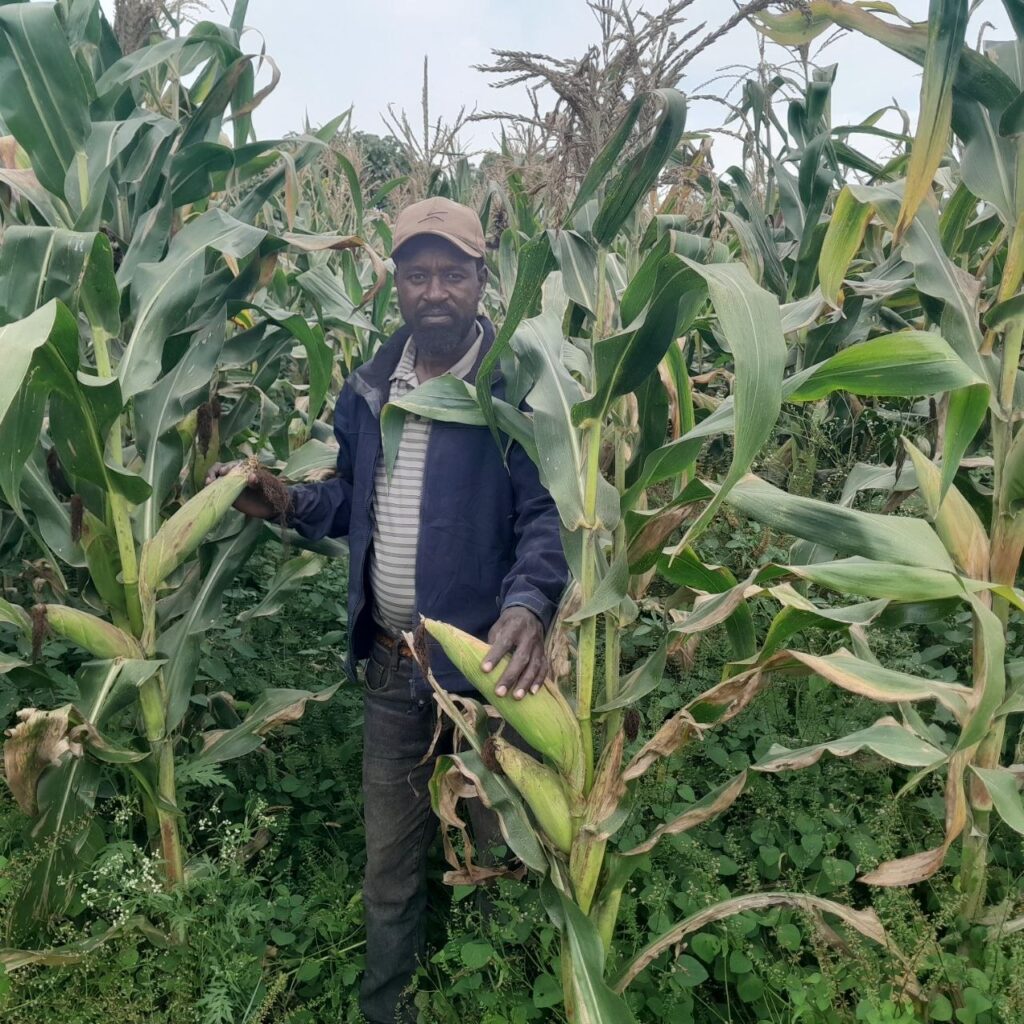
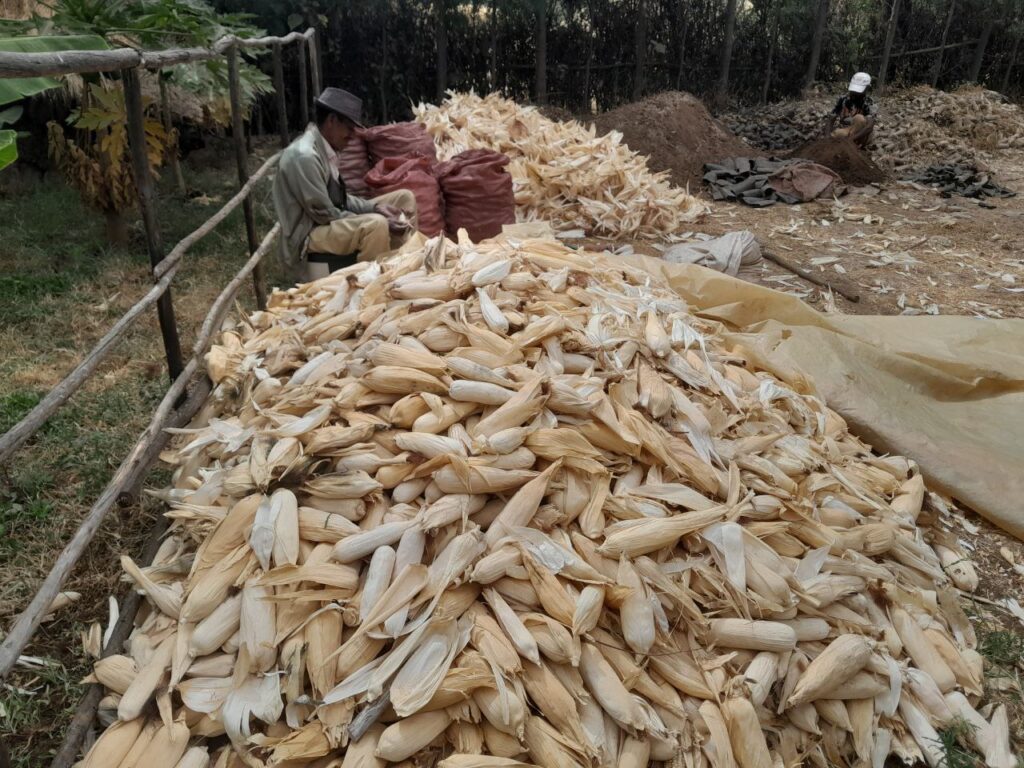
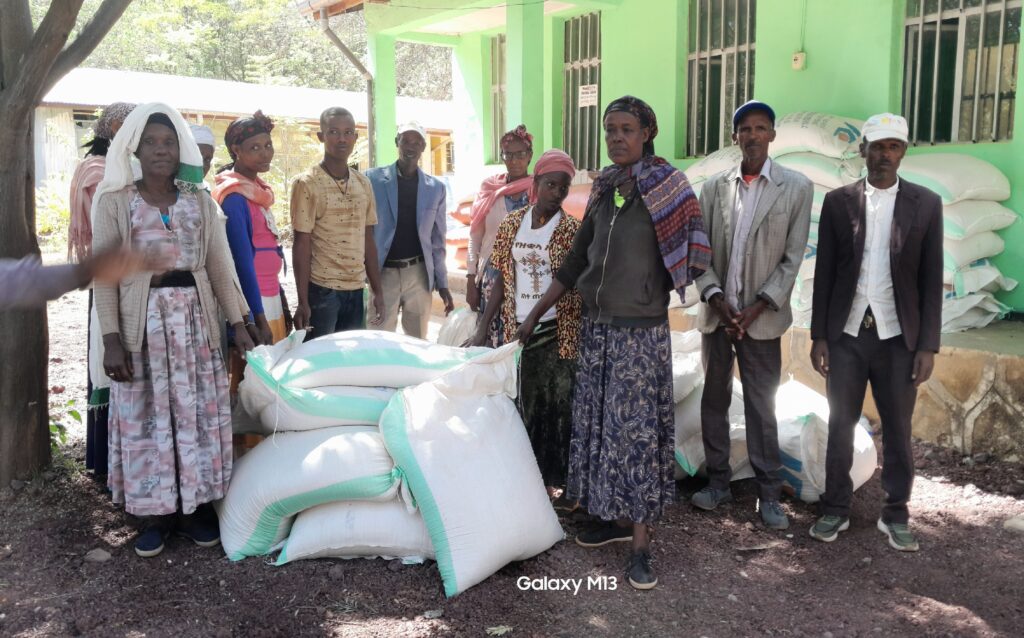
The project enhanced crop productivity and food security by supplying 30 quintals of improved maize seed to 459 smallholder farmer households. This intervention significantly increased maize yields, with most beneficiaries harvesting 10–17 quintals per household, far exceeding traditional production levels.
The improved maize variety contributed to increased household food availability, reduced vulnerability to crop failure, and improved incomes through surplus sales.